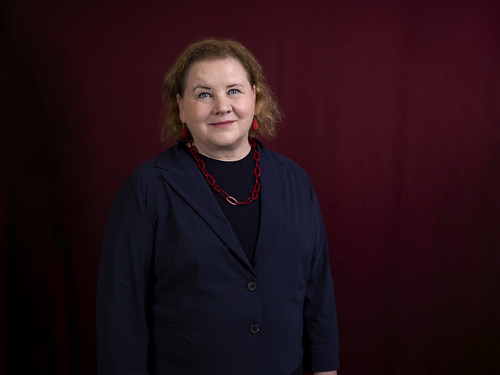
Stefan Joham / Sozialministerium · Image usage
Barriers begin before the first day at work
Scheuer describes disadvantages that women experience because of both their disability and their gender. Opportunities can be restricted during education and when looking for work. Employers need better information about the abilities of women with disabilities. BIZEPS therefore calls for accessible education and training, support with finding a job, personal assistance at work and recruitment processes free from discrimination. [1]
A campaign developed with disability representation
The campaign is led by the Federal Ministry of Labour, Social Affairs, Health, Care and Consumer Protection, headed by Korinna Schumann. It has been running since September: the first television advertisement aired on 1 September 2026, when the campaign website also went online. Further communications were announced for mid-October. The latest BIZEPS statement therefore accompanies an initiative already under way.
The Österreichischer Behindertenrat, the Austrian Disability Council, also contributed to its development. In the council’s statement of 12 October, vice-president Manuela Lanzinger stressed the need for accessible pathways and support tailored to women in education and employment. The aim is fairly paid work that enables financial independence. [3][4][5]
Support for employees and employers
The campaign website also points to existing assistance. Netzwerk Berufliche Assistenz (NEBA), a network supporting participation in employment, offers services including job coaching directly in the workplace. Personal assistance can meet disability-related support needs during the working day. Employers can contact NEBA Betriebsservice for advice on employment and available funding.
The initiative links public awareness with services that can answer practical questions. The relevant advisory services can help clarify which support suits an individual or an employer. The statements from the two disability organisations also identify changes they expect from policymakers, education providers and businesses. [3][1][2]
Sources
- BIZEPS – Zentrum für Selbstbestimmtes Leben: BIZEPS begrüßt Kampagne „Behindert mich nicht!“ (2026-10-18)
- Österreichischer Behindertenrat: „Behindert mich nicht!“: Kampagne für mehr berufliche Teilhabe (2026-10-12)
- Bundesministerium für Arbeit, Soziales, Gesundheit, Pflege und Konsumentenschutz: Frauen* mit Behinderungen am Arbeitsmarkt – Behindert mich nicht!
- Sozialministeriumservice: Im Fokus: Frauen* mit Behinderungen am Arbeitsmarkt
- Bundesministerium für Arbeit, Soziales, Gesundheit, Pflege und Konsumentenschutz: Bundesministerin Korinna Schumann