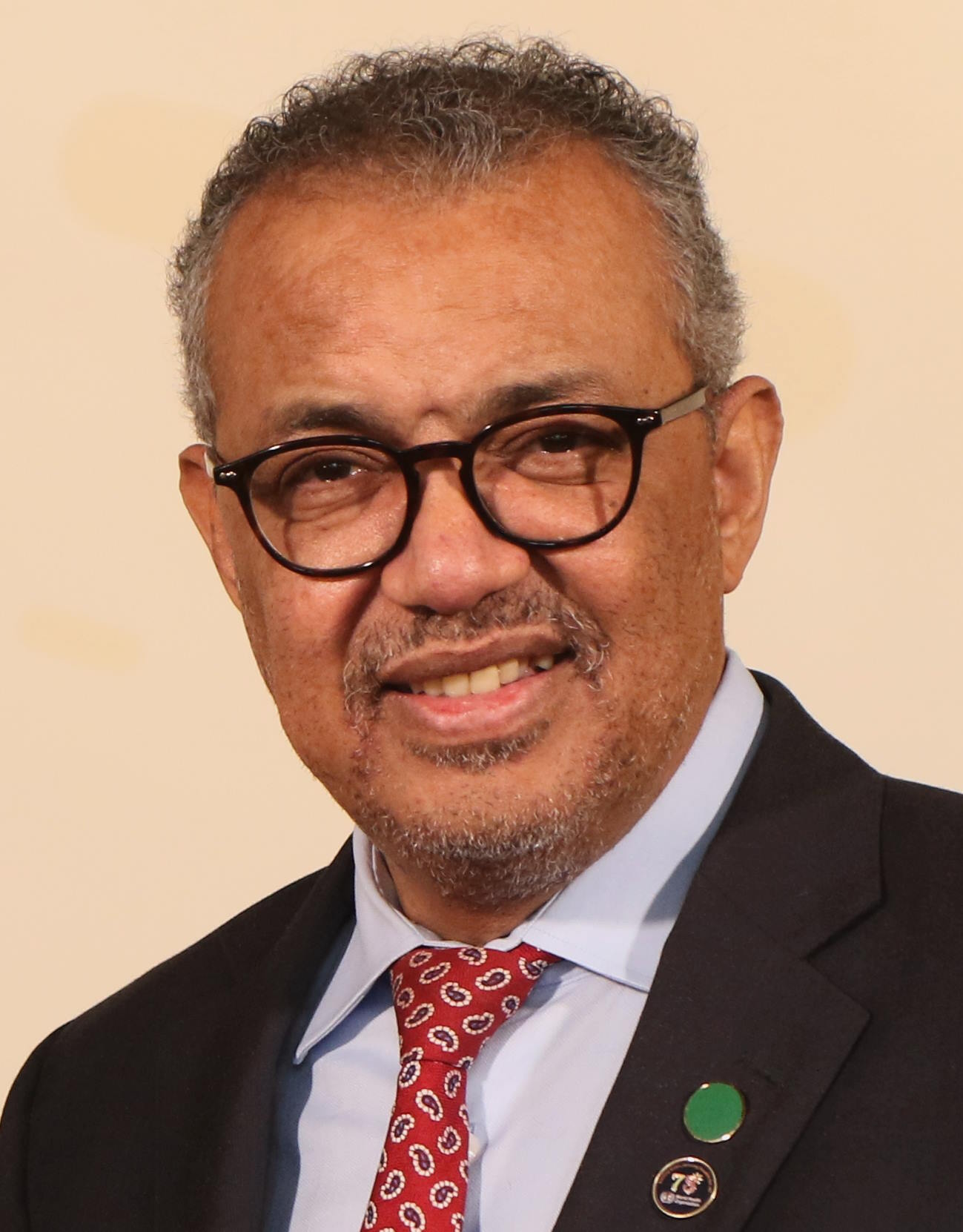
Foreign, Commonwealth & Development Office · Wikimedia Commons · Crop: Stemoc / Sikander · CC BY 2.0
Cost and services limit access
The agencies reported wide differences across the countries studied, with access as low as three per cent in poorer settings. Around two thirds of users with assistive products reported paying for them themselves. “Assistive technology is a life changer,” said WHO Director-General Tedros Adhanom Ghebreyesus, calling on governments to prioritise access. [1]
Ten recommendations for governments and providers
The report set out ten recommendations aimed at policymakers, service providers, funders and industry, as well as users and families. They covered affordable, effective products; stronger services and workforce capacity; user participation; better data; and inclusion in humanitarian responses. The recommendations connected access to disability rights and the goal of universal health coverage. [1][2]
The findings enter international disability discussions
On 13 June 2022, the Global Disability Innovation Hub, WHO, UNICEF and ATscale held an online event alongside the Conference of States Parties to the disability convention. The session focused on the report’s recommendations and inequalities affecting lower-income countries. Recordings were made available with International Sign and interpretation into French, Spanish and Arabic.