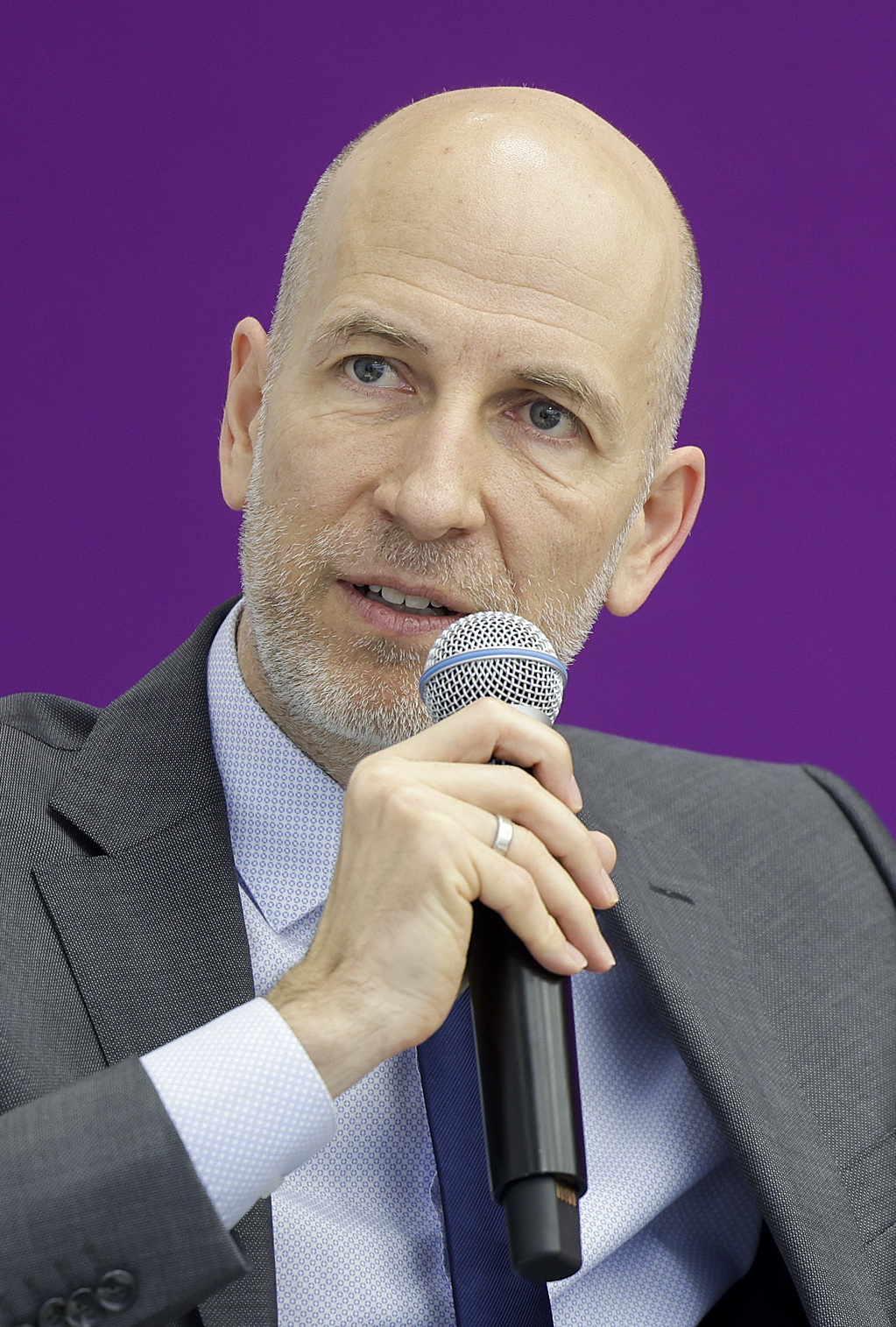
BMF/Wenzel · Wikimedia Commons · Crop: M2k~dewiki · CC BY 2.0
A classification that could close a route
The reform addressed a barrier at the entrance to employment services: classification as unable to work could exclude a young disabled person from support provided by the Arbeitsmarktservice, or AMS. Parliament’s account explains that the change allows registration for employment assistance and participation in training or placement support. Its purpose was to give young people more time and help to develop vocational possibilities. Removing the compulsory assessment did not mean that every participant was declared capable of doing every job or required to enter employment immediately. Labour Minister Martin Kocher told parliament that further steps would still be necessary for labour-market inclusion. [1][2]
What support and choice mean
The ministry describes support involving the AMS, Sozialministeriumservice and youth coaching, with individual planning of education and employment prospects. Its guidance also states that young people can choose between AMS support and provincial disability services within their circumstances; remaining in an existing day service is possible. Registration does not automatically produce unemployment benefit. Parliament specifies that the usual insurance requirements still apply. Access to counselling or training and entitlement to a particular cash payment are therefore separate questions, even when both are relevant to a participant’s plans. [2][1]
The exceptions were significant
The ministry’s guidance excludes from the initiative’s target group people whose relevant PVA assessment was ordered before 1 January 2023, as well as those whose incapacity finding followed their own request. Voluntary assessment was not abolished. This is narrower than saying all work-capacity assessments for young people were prohibited. The dates also matter: the reform began in January 2024, while the exclusion refers to an assessment ordered before January 2023. Confusing those years changes who the explanation appears to include. [2][1]
The disability movement’s conditions
In its consultation response of 10 August 2023, the Österreichischer Behindertenrat welcomed the removal of this access barrier but said legislation needed to be accompanied by additional training, qualification and employment opportunities. It also raised concerns about people with existing findings and about training being interrupted at the 25th birthday. That response addressed the draft, before the final parliamentary decision. It explains why implementation must be judged through actual opportunities to learn and work, alongside the legal change: an open administrative route is useful only when suitable support can be reached. [1]